What Is a Design Engineer? A Designer Who Codes
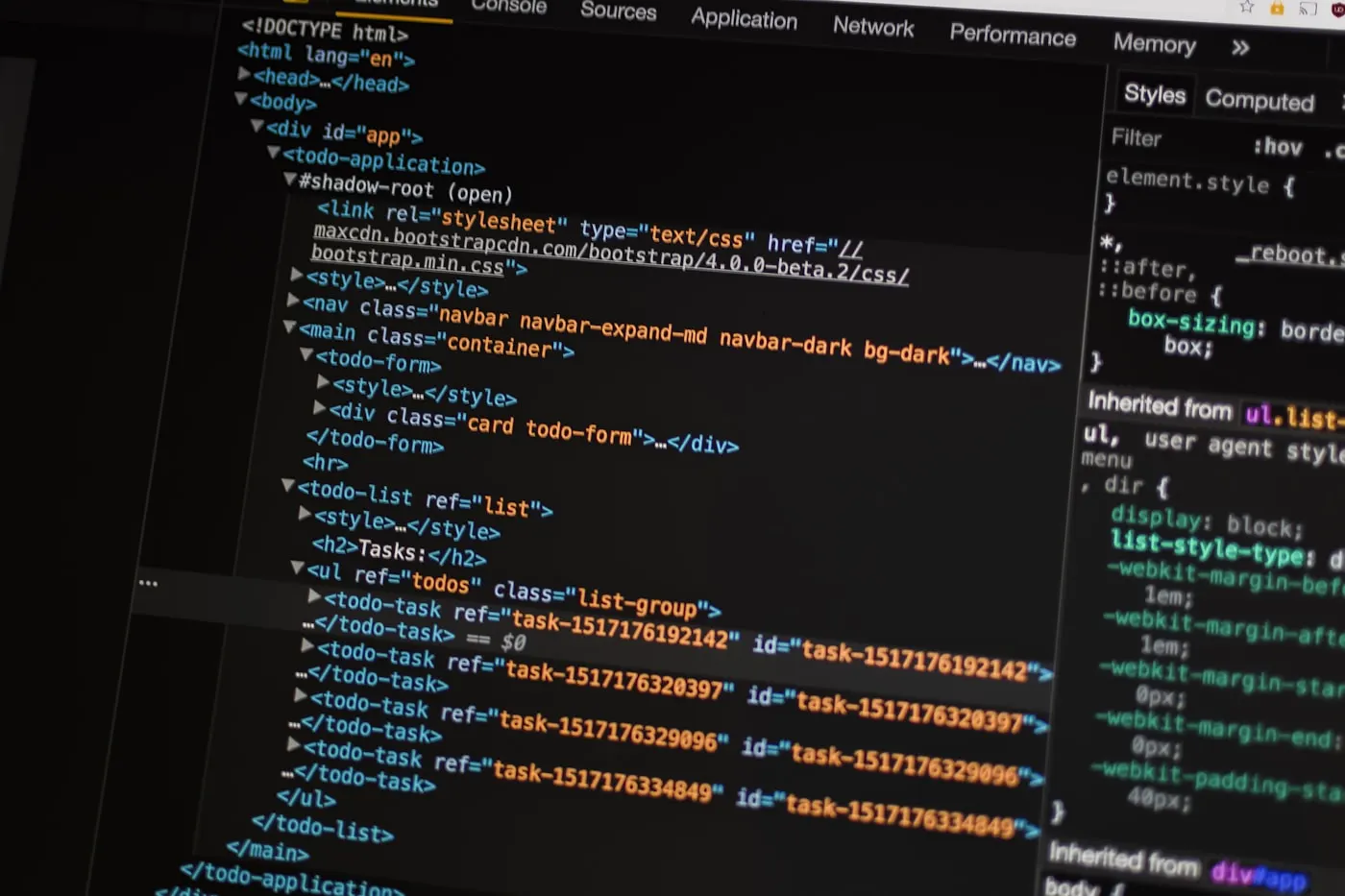
A design engineer is a designer who codes: someone who owns the interface end to end — from the Figma file to production-ready frontend — instead of throwing a static mockup over a wall to engineering. The role is design-led and frontend-aware. It sits between a UI designer and a frontend developer rather than replacing either.
The short version: a design engineer thinks in user flows, type scales and interaction states like a designer, but builds and hands off with enough code fluency that what ships looks like what was designed. Not a senior backend engineer, not a pure visual designer — the person who makes sure the two worlds actually meet.
Design engineer vs. UI designer vs. frontend developer
The clearest way to define the role is by what sits on either side of it:
- UI designer: owns look, feel, layout and interaction inside the design tool. Deliverable is a file. Success is a design that reads well and tests well.
- Frontend developer: owns the running code — components, state, performance, browser behavior. Deliverable is a shipped interface. Success is a build that works everywhere.
- Design engineer: owns the seam between them. Deliverable is a design that is already shaped for the codebase — real component names, honest resize behavior, defined edge cases — plus the ability to prototype or build the frontend when it's faster to show than to spec.
A UI designer can hand you a beautiful screen that quietly breaks the moment the label is longer than the mockup. A frontend developer can build exactly what they're given, including the ambiguity. A design engineer removes the ambiguity before it becomes a bug.
Why the design engineer role is emerging
This isn't a title someone invented for a résumé. It's a response to how modern product teams actually break down:
- Design tools got closer to code. Variables, tokens and auto layout in Figma now map almost one-to-one onto CSS. The gap between "designed" and "built" is smaller, so the person who understands both sides is more valuable.
- Design systems became infrastructure. Components, tokens and states are shared assets, not decoration. Maintaining them well requires someone who thinks in both variants and props.
- Small teams can't afford a relay race. Startups don't have a designer, a design-system owner, and three frontend engineers. They need one person who can carry an interface further before it needs a specialist.
- Handoff was where quality leaked. Most polish is lost in translation between the file and the build. A design engineer closes that leak by speaking both languages.
What a design engineer actually does
Day to day, the work is mostly design — with an engineering conscience running in the background. In practice that means:
- Designing screens and flows in Figma, and structuring the file so it reads like the repository, not a mood board.
- Building and maintaining design systems developers actually use — tokens before components, names that match the codebase, edge cases baked into the library.
- Specifying interaction states, responsive behavior and empty/error states so nothing is left to guesswork at build time.
- Prototyping in code or near-code when a static frame can't communicate the motion or the density.
- Sitting with developers during the build instead of disappearing after handoff — treating handoff as a relationship, not a file transfer.
It shows up most on data-heavy products. Designing a SaaS dashboard well means making real decisions about KPI hierarchy, chart discipline and information density — decisions that only hold up if the person making them understands how the frontend will render them. You can see that thinking in projects like MetaMetric, a business-intelligence interface, and the FineStack finance product.
How I work as a design engineer
Guljar Hosen is a UI/UX & product designer in Sylhet, Bangladesh, with a software-engineering background — I'm a Software Engineering student at Metropolitan University Sylhet, class of 2027, which makes me frontend-aware by training rather than a senior software engineer by trade. That distinction matters, and I keep it honest: I am a designer who codes, not an engineer who dabbles in design.
Over 7+ years and 1,000+ landing pages and 150+ projects across my career — including 800+ at an agency and Amazon and Walmart storefronts for a Minneapolis retail group — the pattern that made my work useful was the same one the design-engineer role is named for: I design for how the thing gets built. I study software engineering precisely so my Figma files speak the frontend's language, so a developer opens my file instead of asking for a screenshot.
- Your designers ship files developers quietly rebuild from screenshots.
- Handoff keeps leaking polish — spacing, states and motion get lost in the build.
- You have a data-heavy product where design decisions and frontend reality can't be separated.
- You're a small team that needs one person to carry the interface further before hiring specialists.
When a startup should hire a design engineer
A design engineer is a high-leverage early hire for the right team. Reach for one when:
- You're building a product interface, not a marketing page — dashboards, apps, tools with real states and real data.
- You want design and frontend to move as one motion instead of a two-week relay with rework at the end.
- You need a design system that stays alive past the third sprint because it was built to be built from.
- You're an early-stage team, often working with a designer for US startups remotely, and headcount has to do double duty.
When you probably don't need one
Honesty over hype: if your problem is a landing page, a brand refresh or a one-off illustration, a strong UI designer is the right call and a design engineer is overkill. And if you're building deep, stateful frontend architecture — complex data layers, real-time systems, performance-critical rendering — you need actual frontend or software engineers. The design-engineer role is the bridge between design and frontend, not a substitute for either end of it. Anyone who tells you a designer who codes replaces your engineering team is selling you something.
If your interface deserves to ship looking like it was designed — and to keep looking that way as it grows — that's the exact gap I work in. Tell me what you're building and I'll tell you honestly whether a design engineer is what you need.

Product-minded UI/UX designer & Figma specialist. I design conversion-focused, frontend-ready digital experiences for SaaS teams, startups and brands.