The ROI of UX Design: How Better User Experience Drives Business Growth

Ask a founder what UX design costs and they'll quote you a number. Ask them what bad UX costs and the room goes quiet — because that cost is scattered across a hundred invisible line items: abandoned carts, support tickets, churned users, rebuilt features, and ads paid for clicks that led nowhere.
UX design has a return on investment. It's just that the return shows up in places most businesses don't connect back to design. This article connects them.
Where the return actually comes from
1. Conversion: the same traffic, more customers
The most direct payback. Your site already gets visitors — UX determines how many of them finish what they came to do. Clearer hierarchy, fewer form fields, honest buttons, obvious next steps: unglamorous changes that routinely move conversion rates by whole percentage points. And a conversion improvement multiplies the value of every marketing dollar you're already spending, forever. That's why UX work compounds where ad spend just burns.
2. Support costs: every confusing screen is a ticket generator
A significant share of support volume is not product failure — it's interface confusion. "How do I change my plan?" is a design bug filed as a support ticket. Fix the screen once and the ticket stops arriving daily. Multiply by every confusing moment in your product, and good UX starts functioning as a support team you don't have to hire.
3. Retention: friction is churn in slow motion
Users rarely rage-quit. They just drift — each small frustration lowering the odds they return, until one day they don't. Because retention curves drive nearly every SaaS metric that matters, small UX improvements at the moments of truth (onboarding, first value, upgrade) move revenue more than almost anything else you can build.
4. Development: pixels are cheap, code is not
The most underrated return. Changing a flow in Figma costs hours; changing it after engineering built it costs weeks. Research, prototyping, and usability testing before development means your team builds the right thing once — instead of the wrong thing twice. Design is the cheapest place your product will ever be wrong.
Good UX is not a cost center. It's the multiplier sitting between everything you spend and everything you earn.
The compounding effect
These returns stack. Better onboarding raises activation → activated users convert to paid → converted users who succeed stay longer → long-tenured users refer others. One well-designed flow pushes on every stage of that chain at once. This is why companies known for design — the ones you can name without me listing them — treat UX as strategy, not decoration.
How to measure it without a research department
You don't need a lab. You need before-and-after honesty on a few numbers:
- Funnel completion — what percentage of users who start a key task (signup, checkout, booking) finish it?
- Time to first value — how long from signup until a user does the thing your product is for?
- Support themes — which questions arrive repeatedly? Each recurring question maps to a screen.
- Return rate — do users come back in week two, or was the first visit the last?
Measure, redesign the worst moment, measure again. That loop — not genius — is where most UX ROI comes from.
What this looks like in practice
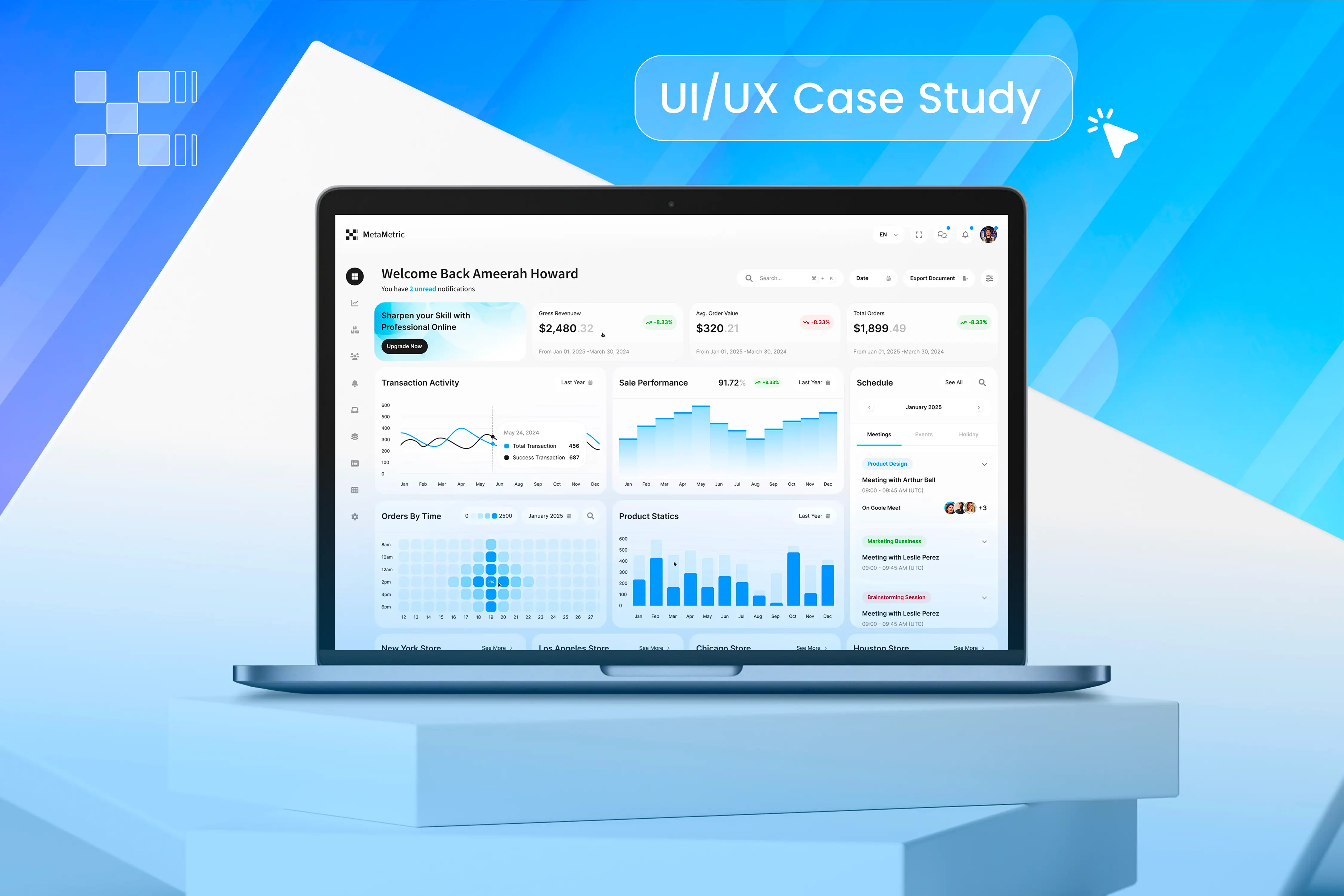
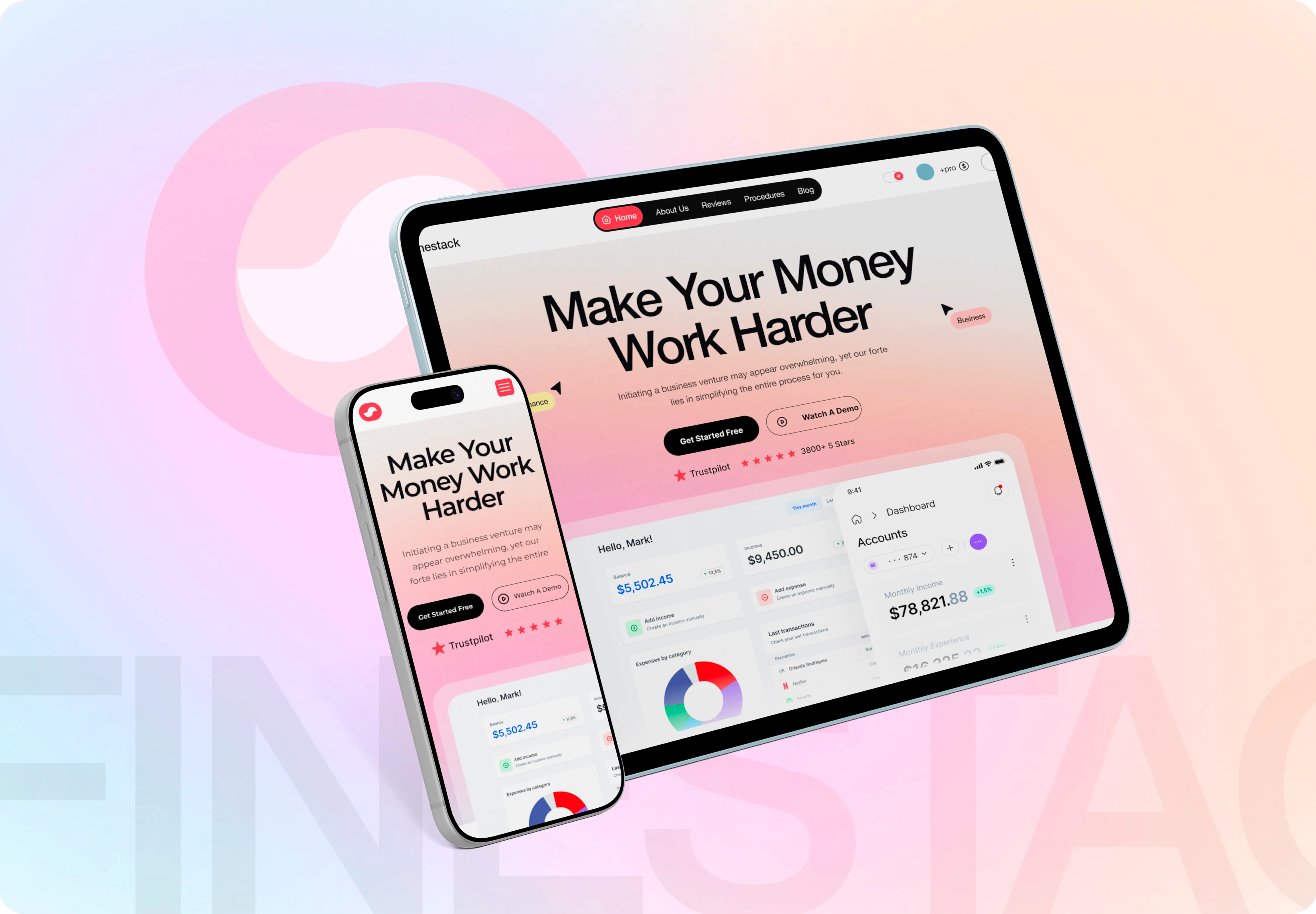
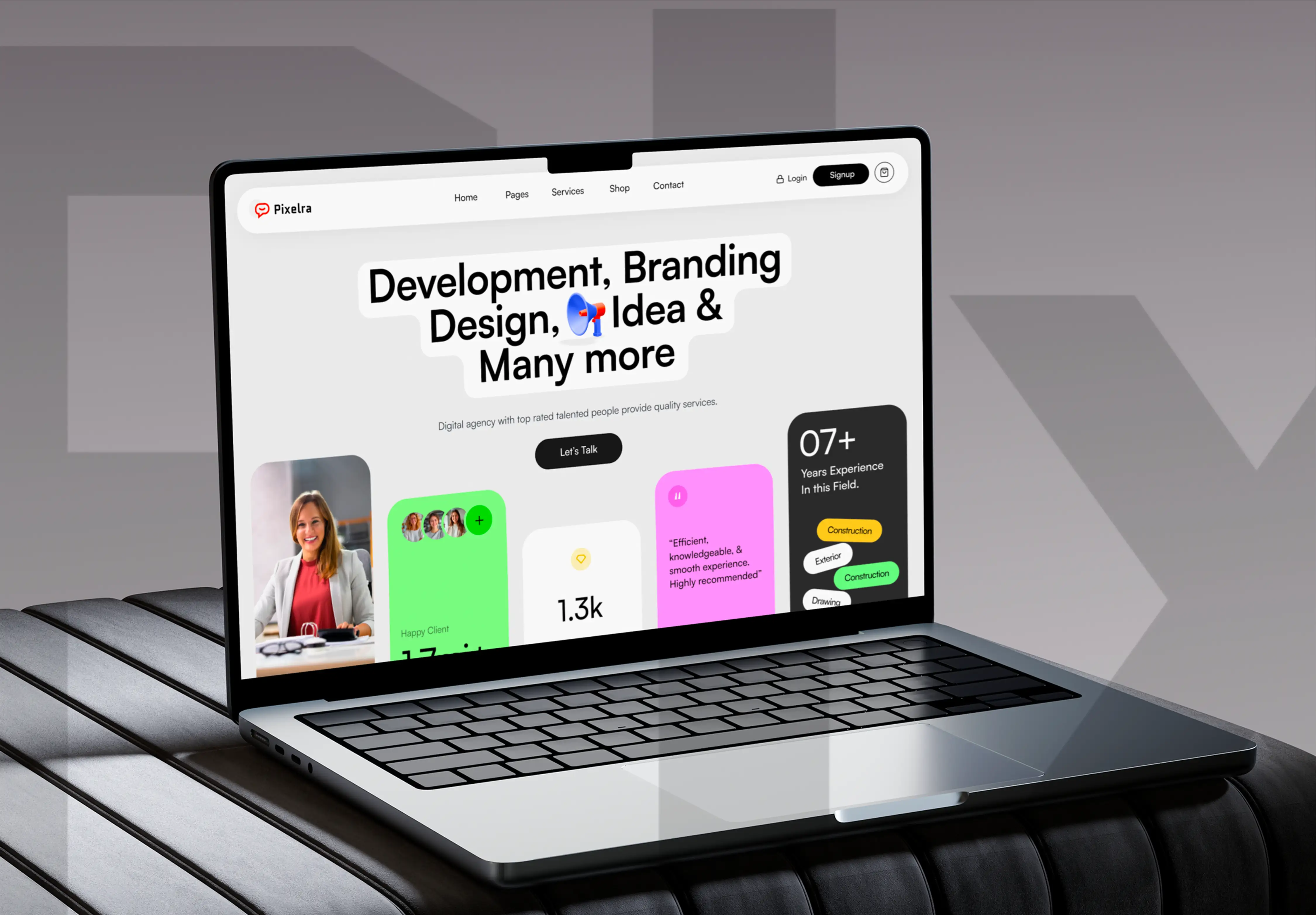
Across the products I've designed — SaaS dashboards, booking flows, mobile apps, course platforms — the pattern repeats: the highest-return work is rarely a dramatic visual reinvention. It's finding the moment where users hesitate, and removing the reason. A booking flow that works one-handed on a phone. A dashboard that puts the decision-driving number first. A signup that asks for less. The design looks calmer afterward, and the metrics look better.
- Watch five real people use your product. Say nothing. Take notes.
- Find the one step where most users stall or quit.
- Redesign only that step. Ship it. Compare the numbers.
- Repeat. ROI lives in this loop.
The honest conclusion
UX design pays back the way compound interest does: quietly, then unmistakably. If your traffic is growing but revenue isn't, or your support inbox reads like an FAQ for your interface, the experience is where the money is leaking — and where it can be recovered. That recovery is exactly the kind of work I do; see how I approach it or get in touch and tell me where your users get stuck.

Product-minded UI/UX designer & Figma specialist. I design conversion-focused, frontend-ready digital experiences for SaaS teams, startups and brands.